
Illustrated books
Where the page turn becomes part of the story
This section of Traits & Images looks at picture books and graphic literature, and at how pacing, paper, and typography shape the way an illustrated story is read.
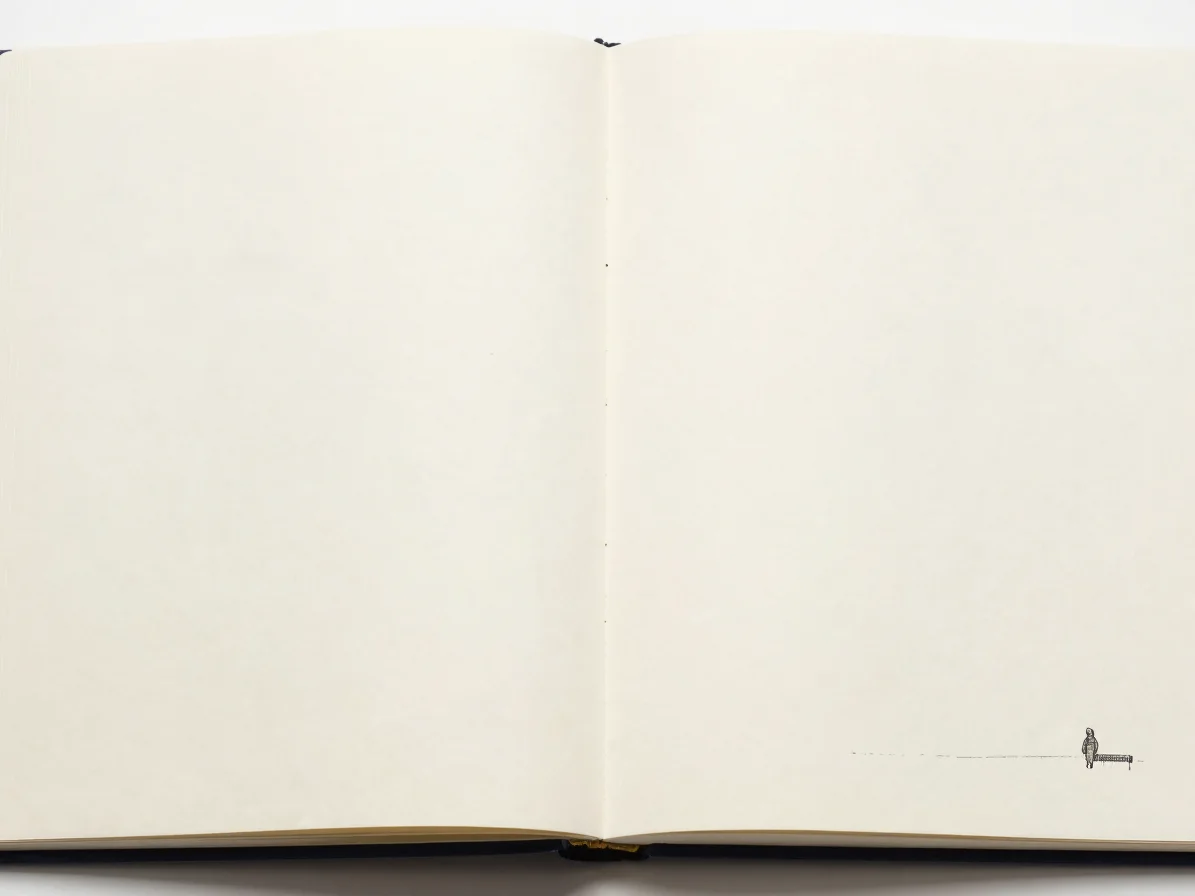
Anatomy of a book
Pacing, turns, and layout
A picture book is read in sequence, and each page turn creates a small pause. Illustrators and designers use that rhythm to build suspense, reveal details, and let a single image breathe.
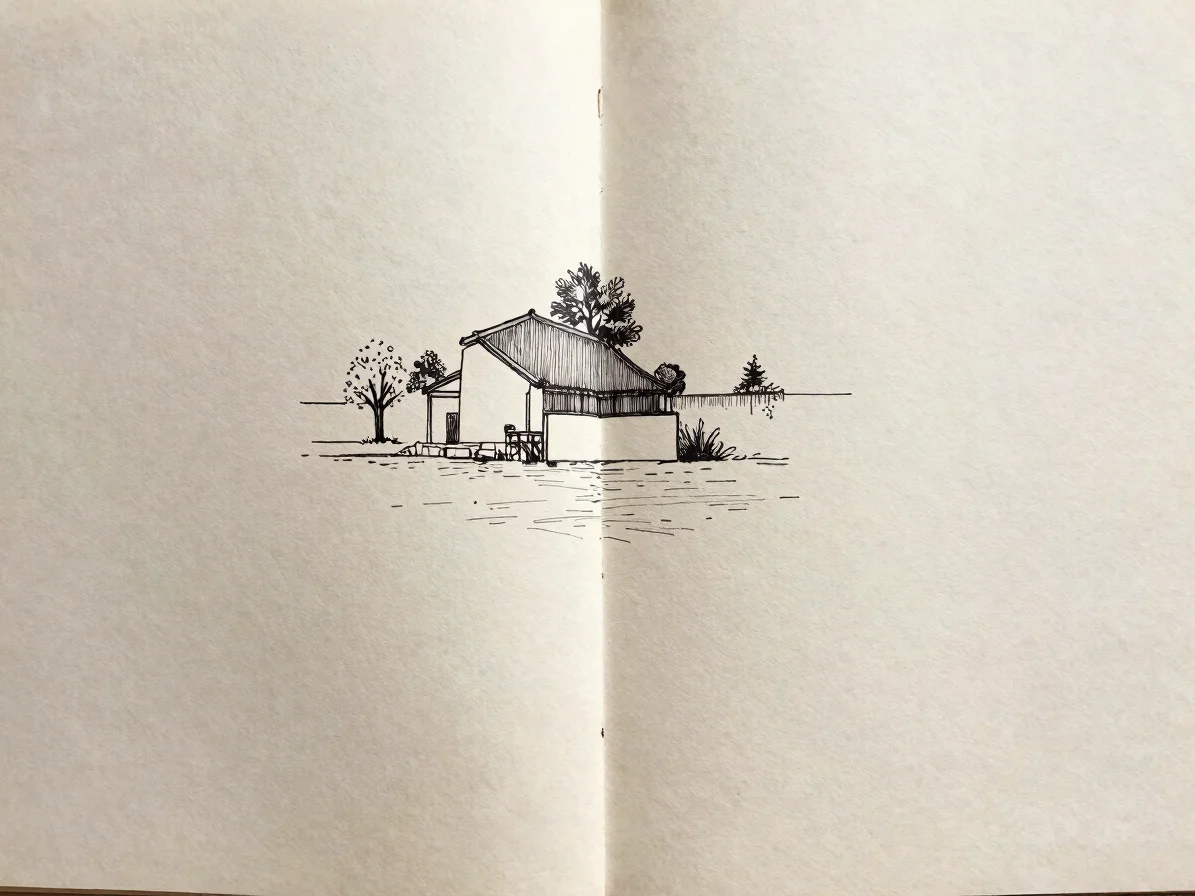
Reading the spread
Look at how the image crosses the gutter, how text sits in the margin, and where the eye lands first. These choices guide the reader without a single explanatory word.
Production craft
Typography, paper, and finish
Typeface pairing, the weight of the paper, and the choice of binding all shape how an illustration is received. A matte stock can soften fine ink lines, while a textured paper can add warmth to a limited palette. Each decision belongs to the book as a whole.
Respecting copyright matters at every stage. Reproduce only artwork whose rights are cleared, credit illustrators accurately, and consult the rights holder before publishing any excerpt. Good publishing is built on trust with the people who make the images.