
Contemporary illustration
Reading the new visual languages of illustration
From printmaking to digital painting, illustrators are building narrative images with line, color, and structure. This section follows the movements and visual choices shaping the field today.

Visual analyses
How contemporary images tell stories
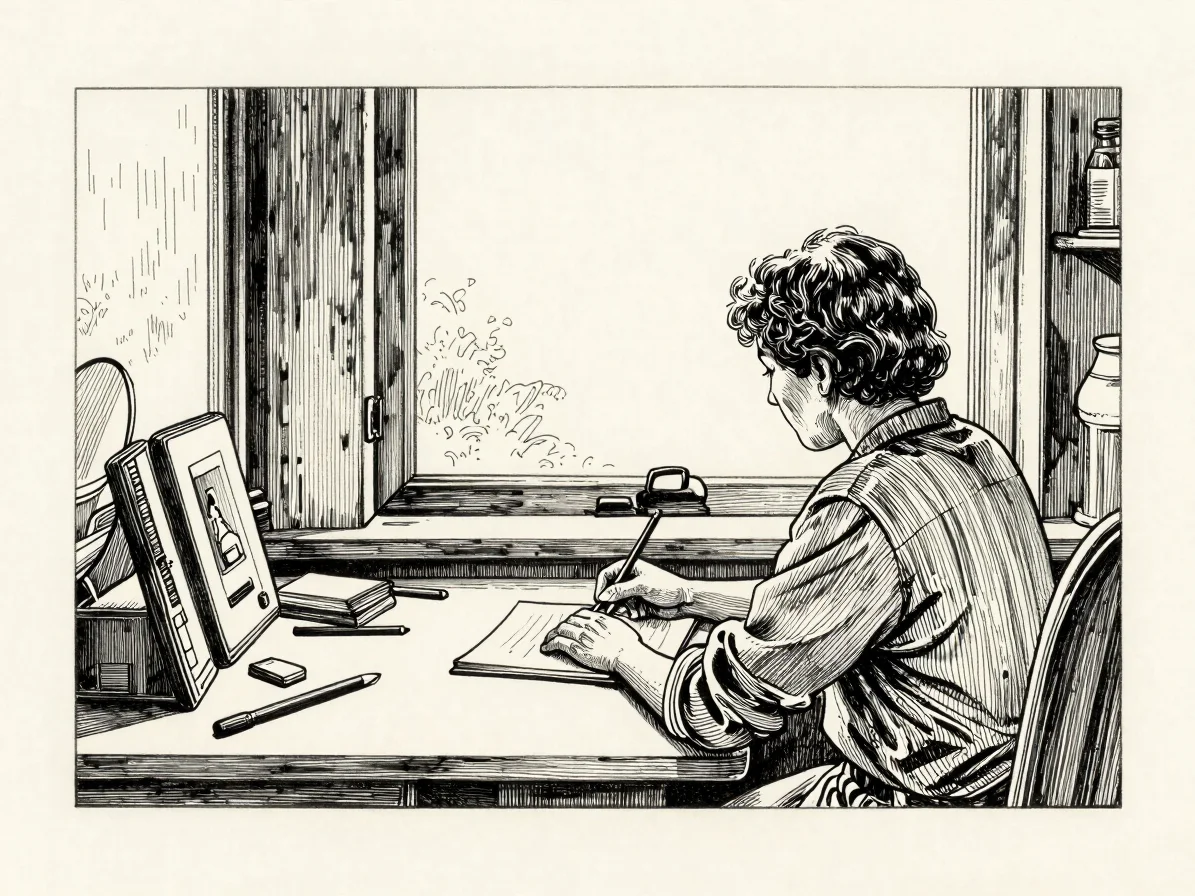
Narrative imagery
Building meaning across a single frame
Editorial illustrators often arrange figures, objects, and empty space so the viewer reconstructs a sequence. We look at how placement, scale, and gesture suggest what happened before and after the moment shown.
Emerging idioms
New visual idioms in print and screen
Flat planes, grainy textures, and hand-drawn type are moving between print magazines and digital platforms. Looking at these idioms side by side shows how a visual habit becomes a recognizable style.
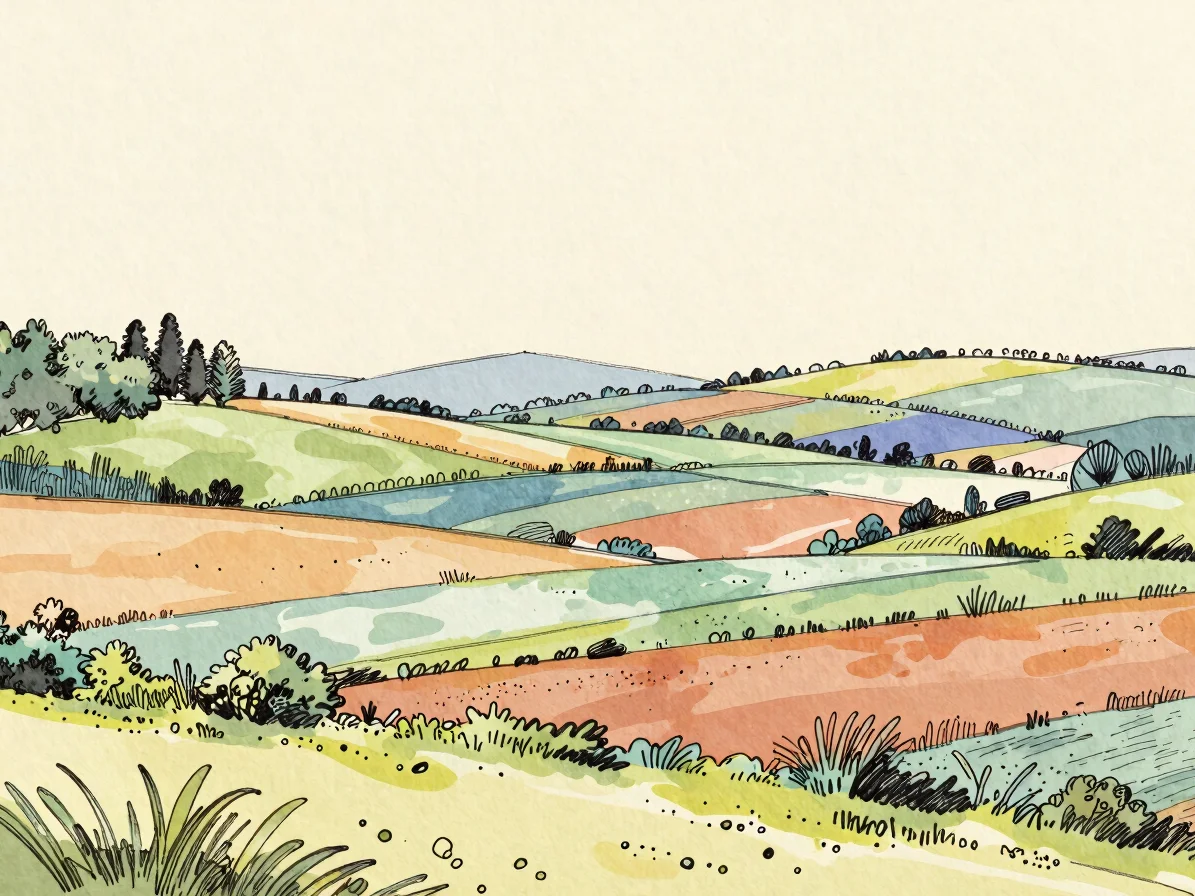
Critical notes
Concept and craft in balance
A strong illustration depends on both an idea and the skill to render it. Some works lead with a clear concept and accept rough execution; others prioritize refined draughtsmanship while leaving the meaning open. Reading them together helps readers see where a piece places its emphasis.
When we examine a work, we look at its line weight, the rhythm of its marks, and how its style supports the story it tells. The aim is to explain these choices in plain terms, so that beginners and enthusiasts can apply the same questions to their own images.